800-701-9828 24/7 Phone Support

The Hidden Deal Breakers
Spring is sprung upon us in Georgia! It won’t be long now before Summer is knocking at the door. If you’re considering moving your family, summer is the best time to do so and traditionally the busiest simply because you aren’t relocating school districts or getting ready for college while school is in session.
Real Estate in Summer: Fun fact, it’s also the rainy season! Basements that never leaked in the past end up flooding. The dream renovation that looks beautiful inside but was neglected underneath spawned mold from Summer humidity. You never looked inside your crawl space but their buyer’s inspector found “signs of flooding or moisture”. These are all real problems we see every single day as inspectors, and we want to help you understand not only what it is you’re seeing, but how it can be fixed.
If you’re in the market for a new home this year, or are planning to list your home, we’ve put together practical tips to help the process be as efficient as possible and avoid the typical headaches that come with crawl spaces and basements. If you’re buying, we also want you to be informed and avoid the common renovation problems we see around Atlanta.
There are specific “red flags” that signal broken or damaged systems, long-term maintenance issues, health concerns, and structural risks. By addressing these common basement and crawl space pitfalls now, you can prevent negotiations from stalling later.
Here are 3 common “red flags” that are most detrimental to your sale or purchase:
Red Flag #1: Rainwater Management
Rainwater intrusion and moisture is the enemy of a home’s foundation, comfort, and your wallet. All General Home Inspectors will look for both active issues and signs of a repair to past problems.
The Problem
Standing Water Inside & Signs of Rainwater Intrusion. Efflorescence, damp floors, streaks of mud or water on foundations, seepage through cracks, mold or discoloration on basement floor trim, musty smells in finished basements. All of the above are tell-tale signs that home inspectors will notate as needing further investigation, which delays or breaks the deal.
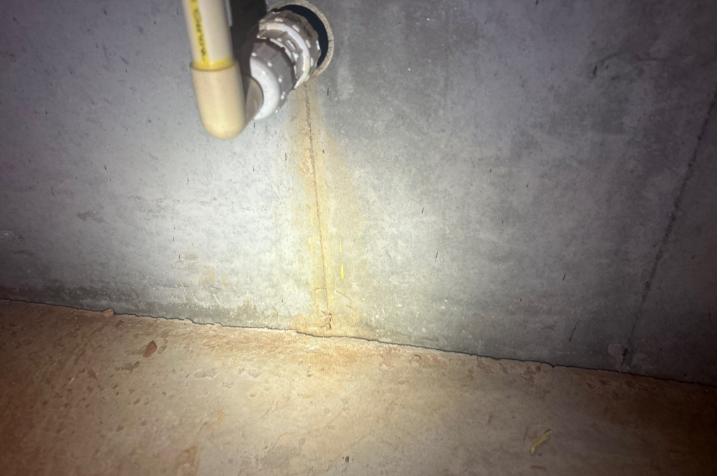
Plumbing inlets and stress cracks are common leaks in newer basements.
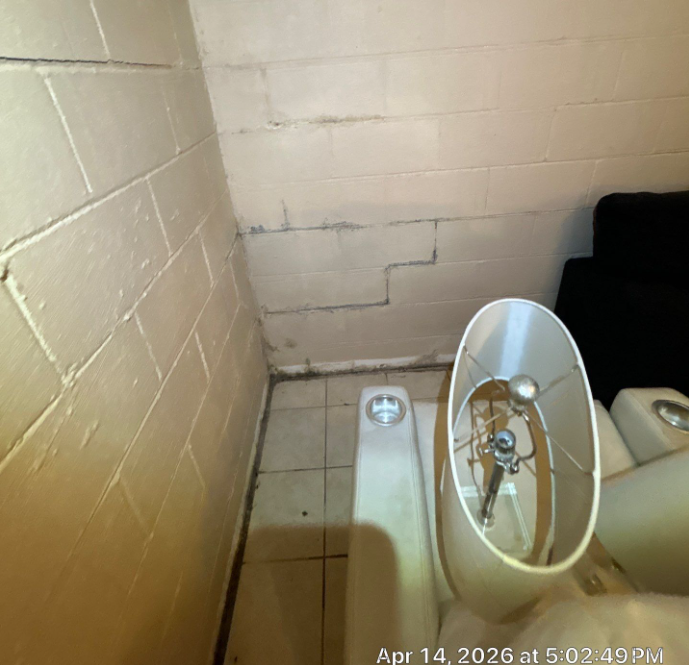
Flaking paint, dark spots where the floor meets the wall, and mold are signs of leaks.
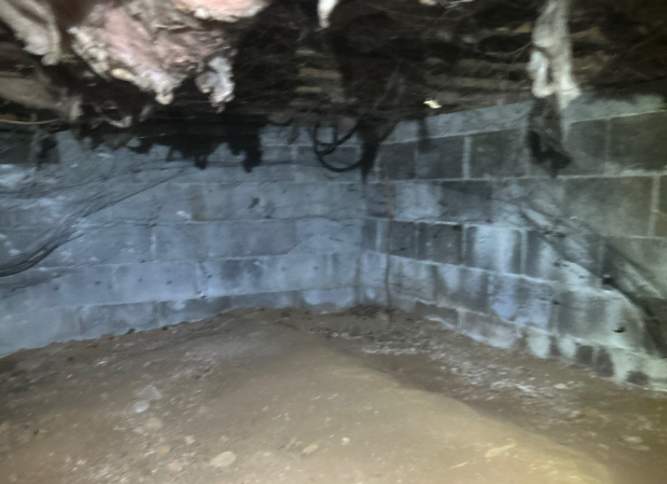
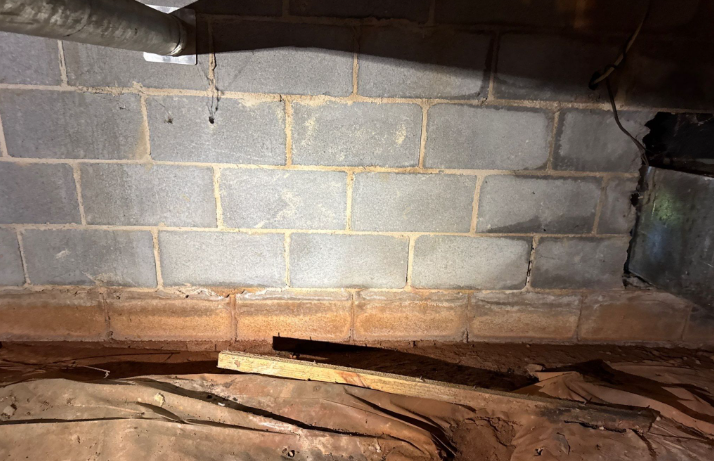
Damp soil, efflorescence on the wall, and damp masonry are signs of a leak.
The Cause
Clogged, damaged, or missing gutters. Poorly configured downspouts. Grade sloping towards the house. “Parging” or tar application on the exterior wears down after about 20 years. The below grade nature of crawl spaces and basements allows Hydrostatic pressure, the pressure of water underground combined with weight of clay soil, to become a force working against the home. The deeper underground the foundation lies, the more force of water is working against the wall or under the slab.
The Solution
Gutters, Landscaping, and Grading should be addressed first. Ensure gutters are clean, and downspouts extend at least 5–10 feet away and downhill from the foundation. Check that the soil grades away from the house. Test yard drains with a hose and have them serviced if needed. Ultimately, especially in Atlanta, once the above tasks are completed, the majority of houses still need a sub-slab french drain or foundation drain installed to ensure the home is professionally waterproofed.
We prefer to do this on the exterior, although often an interior sump pump system is proposed for a number of reasons. Every home is different and we’d love to inspect and discuss specific solutions for your house.
Pro Tip: If you’re buying, look for efflorescence, white, powdery calcium deposits, on masonry walls; this is a clear sign of moisture buildup. If the basement is finished, you’ll need an expert opinion. If you’re getting ready to buy or sell your home, contact us today for a free inspection to identify issues that prevent these red flags from delaying your dream.
Red Flag #2: Mold, Humidity, Air Quality
Mold growth is the #1 reason buyers are currently exiting real estate transactions in Atlanta. Musty smells, visible mold, high humidity, sagging insulation, dampness, and growth on framing members are all signs of mold and moisture problems under the home.
The Problem
The Problem nearly all crawl spaces have: Visible signs of fungal growth on joists, musty smells, and damp insulation are a massive red flag that inspectors rarely miss. The inspection report text “contact a qualified professional” triggers a spiral of mold inspections, air quality tests, and remediation quotes.

The Cause
All air quality problems under the home, including mold, are a result of two sources of moisture under the home. The obvious source of moisture is the ground. Damp soil is constantly evaporating into joists and subflooring, which is a direct cause of moisture.
The second source of moisture is often overlooked but easy to detect: humidity. Because of foundation vents, the open-air nature of crawl spaces in Georgia are exposed to high humidity all summer long. Even with a good vapor barrier, hot and humid Southern Summers will ruin a crawl space. Don’t take our word for it, open your favorite weather app and take a look.
You can also test humidity under the home with a simple hygrometer, or a remote weather station. If humidity is sustained over 60%, mold spores are able to spread and multiply in the air and on wood.

Pro Tip: Insulation that appears heavy, droopy, or saggy is a result of high humidity. Fiberglass insulation acts as a moisture absorbing sponge, which causes it to gain weight and break the hangers.
The Solution
It’s incredibly important to remediate the mold as the first step. The solution for mold treatment varies from company to company, but they all involve a plastic-destroying liquid solution. Existing vapor barriers must be removed before mold can be treated. Similarly with insulation, don’t try to hide the mold with new Fiberglass! Inspectors will find it, guaranteed. Crawlspaces and More not only kills mold, we physically remove it. Don’t be tricked into less expensive “treatments” that don’t solve the problem.
After remediation is completed, then damp soils should be covered with a vapor barrier. We recommend a zero-permeability, fire retardant, non-recycled polyethylene vapor barrier. The vapor barrier we provide meets these standards while being durable and affordable.
To permanently prevent mold from returning, the crawl space must be encapsulated. This prevents exterior humidity from infiltrating the crawl space and we provide a transferable warranty with this service stating the crawl space is now and will always be mold free. Crawl space encapsulation solves all moisture, mold, and humidity related problems. It also comes with new insulation and provides the smell-free, high quality air, and energy efficiency under your home that everyone desires.
Pro Tip: The difference between just a “vapor barrier” and “encapsulation” is the air-sealing and dehumidification component. In real estate transactions, this is often a grey area in price negotiations regarding the seller providing a “repair” and the buyer getting all the benefits of a long lasting proactive repair. To help keep things fair and affordable, we are flexible and able to split quotes up for different parties to complete work on their timeline, and also offer financing and a unique “Pay at Close” offer with no credit pull.
Red Flag #3: Structural Integrity
These issues are often the most expensive to repair and the most alarming to potential buyers. While the kitchen might sell the house, the crawlspace can easily kill the deal. Worse yet, if structural supports are not properly installed during the renovation, or don’t even exist on older homes, then unfortunately all the flashy tile you see in your “dream kitchen” or bathroom is highly likely to crack as the home settles.
The Problem
Sagging, Sloping, and Uneven Floors; Visible cracks in walls. You don’t even need a home inspector to tell you that these could potentially be serious problems with the home’s foundation or structural framing.
The Cause
There are two separate issues that cause the above problems. The Foundation of the home is the exterior foundation, typically concrete, walls that support the ends of beams, joists, the 4 walls, and the roof.
Sloping floors, visible cracks in the foundation, exterior doors and windows that don’t align, and cracked basement floors typically point to foundation damage. Walls can either displace vertically, or in concrete basements we often see lateral displacement, or “bowing” walls.
Pro Tip: Our consultant that comes out to inspect will be able to explain stress cracks, cosmetic damage only, minor settlement, soil compaction that resulted in displacement less than 1/4 of an inch, and an active problem that requires a repair. Don’t be fooled by others saying “all homes settle” or “settlement is normal”. A professional evaluation is always needed to determine if a foundation is compromised. After all, how much more “settlement” would you like to continue happening?
Structural framing damage causes dips in flooring, sagging floors, “bouncy” floors, and cracks on interior walls, tile, and doors. Framing damage occurs from rainwater intrusion, mold, termite activity, bad engineering on renovations, poorly installed posts and footings, and “Tiger Jacks” being used as permanent supports.
Pro Tip: Plumbing leaks are another common cause, if a toilet or bath flooded and rotted the sub flooring, typically this has to be replaced by renovating the living space and cannot be repaired from the crawl space.
The Solution
Foundation problems in basements and crawl spaces can be resolved with Piers, steel driven to bedrock, mudjacking, concrete pumping under the slab, Steel Beams, and other highly specialized methods. Crawlspaces and More is able to customize every project for each specific home and all repairs are code compliant. Materials are installed according to an engineer’s exact specification.
Structural Framing problems can be repaired by replacing or bolstering beams, joists, and/or subflooring. Beams can also be repaired with our Jimbo Jack structural steel replacement post.
Pro Tip: Doors that don’t close might reflect maintenance or repair needed to the door itself, not an underlying foundation issue. If your only problem is doors out of alignment, check the hinges and screws first! You might save time and avoid delays by simply tightening and adjusting your hinges.
Final Thoughts: Pre-Listing Checklist and Next Steps
Address these issues before the “For Sale” sign goes up. It can be significantly more efficient to fix a problem on your own terms than to have a buyer request a credit during the closing process.
Similarly, as a buyer we hope we’ve helped you prevent future headaches and find your dream home!
Crawlspaces and More has a team of consultants who are happy to come out and help you identify and correct any potential red flag problems before you list your home. If you are already under contract, we are generally available quickly within 1-2 business days to evaluate your specific needs.
Pro Tip: Our consultants are trained to propose the correct repair, and we don’t propose repairs unnecessarily just to “make a sale”. We also understand what is a true “repair” versus an “upgrade” and “preventative maintenance”. This helps you save time, money, and just might prevent a headache during price negotiations. The purpose of our free consultation is to provide a thorough inspection that educates, not sells — you can trust us because relationships and reputation matter to us.
*All information contained herein is not legal advice, talk to your agent for any pricing and contract questions.