800-701-9828 24/7 Phone Support


What is Crawl Space Encapsulation?
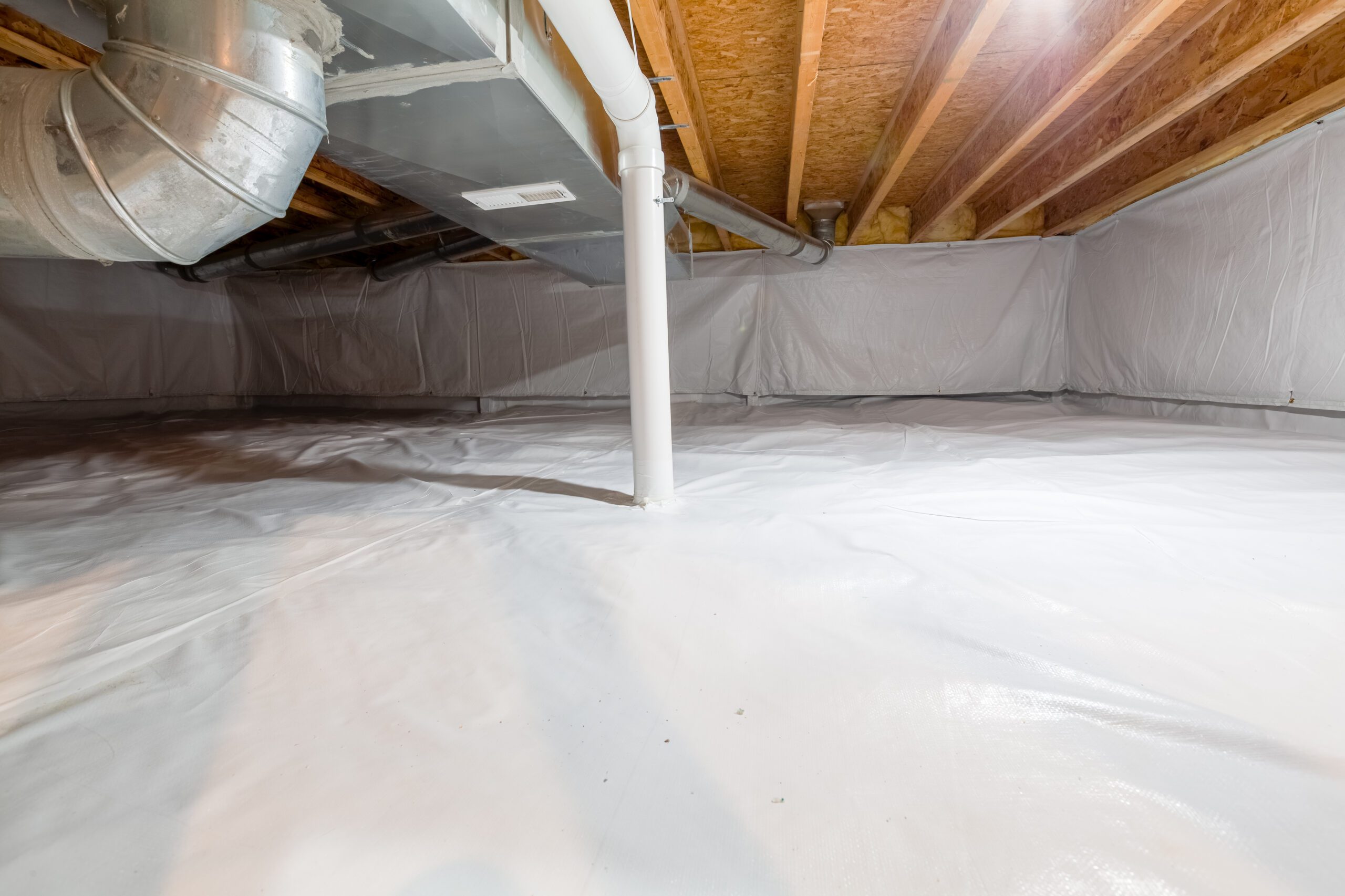
Even though it’s taken decades of research by building scientists and multi-million dollar investments by contractors, an encapsulated crawl space is a relatively simple concept: seal the underside of your home to protect it from ground moisture with a vapor barrier, and condition the newly-sealed space by regulating humidity with a dehumidifier. An encapsulated crawl space modernizes the home, protecting floors, framing, and your health by preventing moisture problems such as mold growth.
To learn more specifically about encapsulation, head over to our services page!
If Encapsulation is for moisture control – how does that help in Winter?
A great question! Here in Atlanta and surrounding parts of Georgia, we regularly encounter weather in the 20’s, teens, and in 2022, a once in a century phenomena of 6*F. Homeowners report colder floors, higher heating costs, and even frozen pipes under these conditions. When you have a ventilated or “open air” foundation with an exposed crawlspace, if it’s cold outside – it’s cold under your home. If you have an encapsulated crawl space, you’re partially protected – cold air is somewhat stopped from blowing under the home by closing the vents, but is that enough? The answer is no. Just like any other room in your house, if you simply close the windows, that room will still get cold.
A ventilated foundation with exposed crawl space
Vented foundations allow cold winter air to easily enter the home
How is the Crawlspaces and More Encapsulation Process Different?
Where other companies only seal out sources of moisture, we go the extra mile by protecting you from the cold outside. Our competitors may only add a vapor barrier to your foundation wall. We install a vapor barrier first, and then add insulation to the foundation. This insulation is rated R-8 for most foundation applications. Not only is it required by code to have insulation under your home, it’s common sense. If you don’t have insulation, you will be exposed to frigid winter weather, resulting in cold floors, frozen pipes, and decreased energy efficiency. Crawlspaces and More applies insulation to vent covers and the foundation wall to prevent cold air intrusion from the exterior, which blankets the crawlspace resulting in reflected warmth from within. Since the ground temperature naturally stays around 60*F, your crawl space will also be relatively warmer. Access doors and other openings are also insulated. Your dehumidifier, HVAC system, and other mechanical items also give off heat which increases the temperature under the home. Once the home is insulated from the foundation, in most cases fiberglass batting is no longer needed. Unlike some companies, our installation is 100% code compliant (IRC 402.2.11). It’s important to have a code – compliant installation for your safety, and to ensure repairs are installed competently. If you decide to sell your home, having a modern, safe, code-compliant crawl space is critical to reducing inspection delays and conveying trust to your potential buyer.
An encapsulated crawl space by Crawlspaces and More
Foundation Insulation Results in a Warmer Crawlspace
What If My Home Already Has Fiberglass or Spray Foam Insulation?
Great question! There are two parts to this answer:
- There’s no such thing as too much insulation, so if your existing insulation is in good condition, has no mold growth, and isn’t a rodent nest, we will simply leave it in place. We’ll still recommend the foundation insulation because it provides benefits that standard insulation doesn’t: a warmer crawl space resulting in no frozen pipes, less wear on mechanical items such as your HVAC furnace, and improved energy efficiency.
- If you request mold remediation, or your insulation is wet because of summer humidity, then we will remove it. Damp, moldy, or rodent infested insulation provides no thermal break and is causing ongoing damage to your structural framing and flooring. It will be taken to a facility approved by your municipality for hazardous waste and cannot be disposed of in the trash. Then we will insulate your foundation, a smarter and code-approved alternative to insulation under the flooring. If you decide to sell your home, it’s a worry free experience: all project documentation; including pictures, technical specifications, code citations, and warranty statements, are available at no cost – simply (link) contact us.
The End Result? A Warmer Home.
Since the thermal break is moved from the subfloor to the foundation wall, your house is no longer fighting the elements under the home. A warmer crawl space means higher energy efficiency, lower energy usage, less wear and tear on furnaces and other mechanical items, and in the majority of homes, warmer floors. If you have wood flooring, you will gain the added benefit of preventing “cupped” or bowed wood, a symptom of moisture and thermal expansion. An encapsulated crawl space with concrete foundation walls and insulation is immune to frozen pipes! While your crawl space will never be a tropical paradise, the difference in temperature is noticeable and the benefits are clear. Contact us today for a free inspection and consultation – we’d love to discuss how we can help!
Interested in other ways to improve energy efficiency and fight winter cold in your home? Here are additional tips.
Perform an Energy Audit. Your power company has a contractor network for “Energy Audits”. These inspectors will identify and propose remedies for any energy inefficiencies in the home. This can range from finding leaking windows to recommending newer appliances. Depending on your utility provider and income, these tests can possibly be done at no cost to you through a rebate program from the power company.
Purchase a Thermal Imaging Camera. Thermal cameras augment a display screen with an overlay of temperature ranges. They are invaluable for discovering sources of cold air intrusion into the living space of your home. Technological advancements, innovation, and competition has driven the price of these devices down to the point of being affordable to nearly every family. We recommend FLIR name – brand devices for professional inspections, but there are several competitors in the $150 – $300 price range that are nearly as accurate and available to you. During your consultation with our inspector, feel free to ask for additional tips! They will even be able to perform a brief complimentary look at common sources of cold – air intrusion, such as windows, entrance doors, and attic hatches.
FLIR Thermal Imaging Camera highlighting cold and hot
- Air Seal Exterior Doors. You don’t need any fancy technology – if you can see sunlight coming through the seal between your entrance door and the door trim, cold air will easily blow through on a windy day. A few dollars spent at your home repair store on weatherstripping will go a long way in increasing comfort and decreasing energy bills.
- Close your Drapes and Blinds. While we aren’t advocating for the vampiric lifestyle, exposed windows and doors in your home actually cause your heating system to run much more frequently. The older your windows, the greater the negative effect. In the interest of avoiding a lengthy lecture on the laws of thermal-dynamics, the concept is better felt than explained. If you place your palm on the glass of your window or door and it’s cold, then you’re losing heat in the home. This is caused by air moving across that surface, much like a giant radiator in each room. As air flows across the cold glass surface in your home, cold air is distributed in the room. Drapes and curtains (the heavier the better) prevent this process from occurring – not because they are an effective insulator, but because they stop the convection process. If you’re struggling with exorbitant heating costs, closing the curtains may just be the trick you’re looking for.
- Expensive but Effective: Window Replacement. We know, we get it: we hear the endless song jingles all the time on the radio too. The fact remains true however, installing modern windows has a direct effect on increasing energy efficiency and decreasing utility bills. The older your current windows are, the higher the return. While the initial cost may be expensive, the long-term cost tradeoff is definitely there. Modern windows offer the best air seal to block convection (a windy day) sources of exterior air, and are able to lower conduction (thermal transfer) with double-pane technology. More expensive window options have a layer of Argon gas between panes that stops uncomfortable weather entirely. It’s practically magic, but it works: heat can’t get through in the summer, and cold air is unable to penetrate in the winter.
To get the most out of your installation, we recommend reporting any condensation on the windows to the installer – a sign the window was damaged during installation and that the gas has escaped. A general rule of thumb applying to all window installations (regardless of type) is to ensure that expanding spray foam is applied between the new window and the existing framing. This creates a layer of insulation and soundproofing. If your windows are “loud”, they are lacking this foam layer and thus are less efficient at blocking the cold.
Article and Photo Credit: The Crawlspaces and More Team (Team)
Original article, no AI. Copyright 2026
Contact us for future partner backlinks.