800-701-9828 24/7 Phone Support

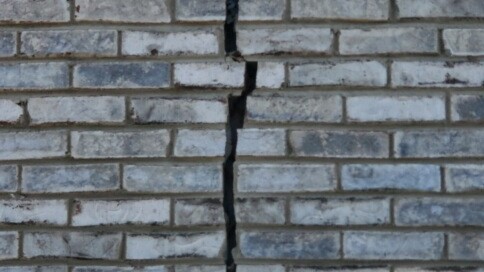

Signs of foundation problems Northeast Georgia homeowners should recognize before small issues become expensive repairs.
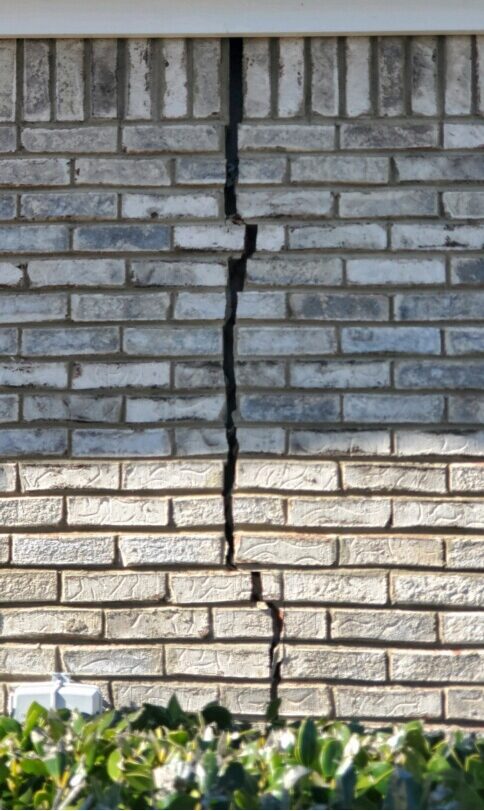
Two years ago, a homeowner in Franklin County noticed a thin stair-step crack in the brick above her garage door. She figured it was cosmetic. Old houses settle, right?
By the time she called Crawlspaces and More, that crack had widened to more than half an inch. A bedroom door wouldn’t close without lifting, and the floor on that side of the house had dropped enough that a marble would roll straight toward the wall.
The foundation was still repairable, but the cost had gone up considerably.
We see this happen more often than you’d think. The warning signs were there early, but they were easy to explain away. A small crack, a sticking door, or a slightly uneven floor might not seem worth worrying about.
The problem is that foundation damage rarely fixes itself. Knowing what to look for can save you a lot of trouble and money down the road.
5 Warning Signs of Foundation Problems
Not every crack or uneven floor means your foundation is failing. But certain changes around your home deserve a closer look.
1. Cracks in Brick or Foundation Walls
Cracks are one of the most common reasons homeowners call us for an inspection. Where the crack appears and how it’s shaped can tell us quite a bit.
- Stair-step cracks follow the mortar joints between bricks and can indicate uneven foundation settlement.
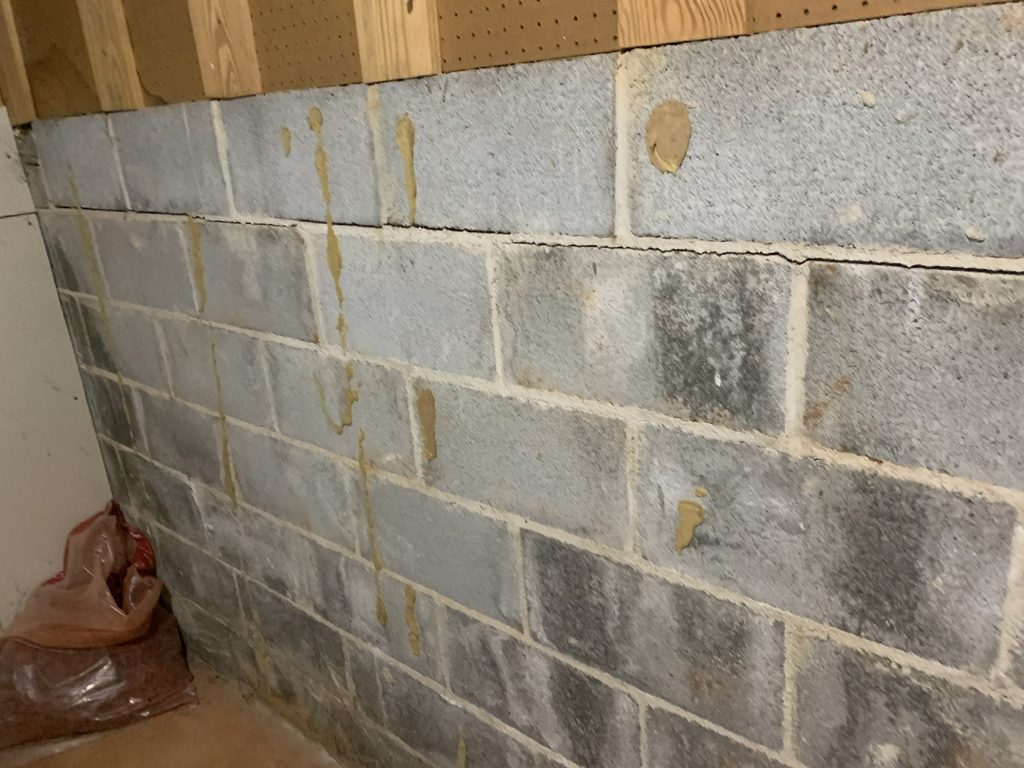
- Horizontal cracks may mean the soil outside is putting pressure on your foundation wall.
- Cracks that keep widening can indicate ongoing movement that needs attention.
A small hairline crack isn’t always serious. But if it’s getting wider or you’re noticing cracks in several areas, it’s time to find out what’s happening.
2. Doors and Windows That Stick
A door that suddenly won’t close or a window that’s difficult to open may be a sign that part of your home has shifted.
Georgia’s humidity can cause wood to swell, so an occasional sticking door isn’t necessarily a foundation problem.
But if several doors start sticking, especially along with cracks in the walls, foundation movement could be the cause.
3. Uneven or Sagging Floors
Floors that slope, bounce, or feel soft underfoot can point to trouble beneath your home.
In crawlspace homes, we often find settling support piers, weakened floor joists, damaged beams, or moisture-related wood deterioration.
Sometimes the solution is additional floor support. Other times, existing supports need to be repaired or replaced.
Either way, a floor that’s noticeably sagging isn’t something you should ignore.
4. Gaps Around Walls and Ceilings
Have you noticed a gap forming where the wall meets the ceiling? Maybe trim is pulling away or cracks are appearing around doorframes.
These changes can happen when different parts of your home begin moving at different rates.
They may develop slowly enough that you don’t notice them right away, but they’re worth checking, especially when other warning signs are present.
5. Bowing or Leaning Foundation Walls
A foundation wall that’s bowing inward or leaning is one of the more serious problems we encounter.
This often happens when water-saturated soil puts pressure against the outside of a foundation wall.
Unlike a small cosmetic crack, visible wall movement can indicate a structural problem that needs prompt attention.
The important thing to remember is that none of these warning signs automatically means your home needs a new foundation. Most problems have repair options, especially when they’re caught early.
Why Georgia Homes Show Signs of Foundation Problems
Georgia’s clay soil plays a big part in foundation movement.
Clay expands when it absorbs water and shrinks when it dries out. Think about what happens during a rainy spring followed by a long, hot Georgia summer. The soil around your foundation is constantly changing.
Over time, that repeated movement can cause sections of your foundation to settle or shift.
Poor drainage makes matters worse.
A clogged gutter, a downspout emptying beside the foundation, or a yard that slopes toward the house can keep the soil wetter than it should be.
Most foundation problems don’t come from one major event. They’re often the result of small movements happening over several years.
That’s why we pay just as much attention to where the water is going as we do to the cracks it’s leaving behind.
What Should a Foundation Inspection Include?
When you’re choosing a foundation repair company, one of the most important questions to ask is whether they’ll look for the cause of the problem before recommending a repair.
At Crawlspaces and More, we don’t start by deciding how many piers your home needs. We start by figuring out why something is moving.
Depending on the problem, we’ll inspect the crawlspace supports, beams, floor joists, moisture conditions, and foundation walls. We also look outside at drainage, grading, gutters, and downspouts.
Inside the home, we check visible cracks, uneven floors, and other signs of structural movement.
All of this helps us understand whether we’re dealing with settling soil, moisture damage, pressure against a foundation wall, or a combination of problems.
A repair that doesn’t address the cause may leave you dealing with another problem later.
What Are the Options for Foundation Repair?
Not every foundation problem requires major construction. Sometimes the solution is simpler than homeowners expect.
Improving Drainage
If water is contributing to the problem, correcting drainage may be the first step.
That could mean extending downspouts, improving the slope of the yard, or installing a drainage system to move water away from the foundation.
Controlling water won’t reverse existing structural damage, but it can help prevent additional problems.
Crawlspace Waterproofing and Encapsulation
Excess moisture beneath your home can damage wood supports, encourage mold growth, and contribute to unhealthy crawlspace conditions.
A waterproofing system can help control water intrusion, while encapsulation uses a sealed vapor barrier and moisture-control equipment to keep the crawlspace drier.
These improvements help protect the structure above the crawlspace, although damaged supports may still need repair.
Foundation Piers
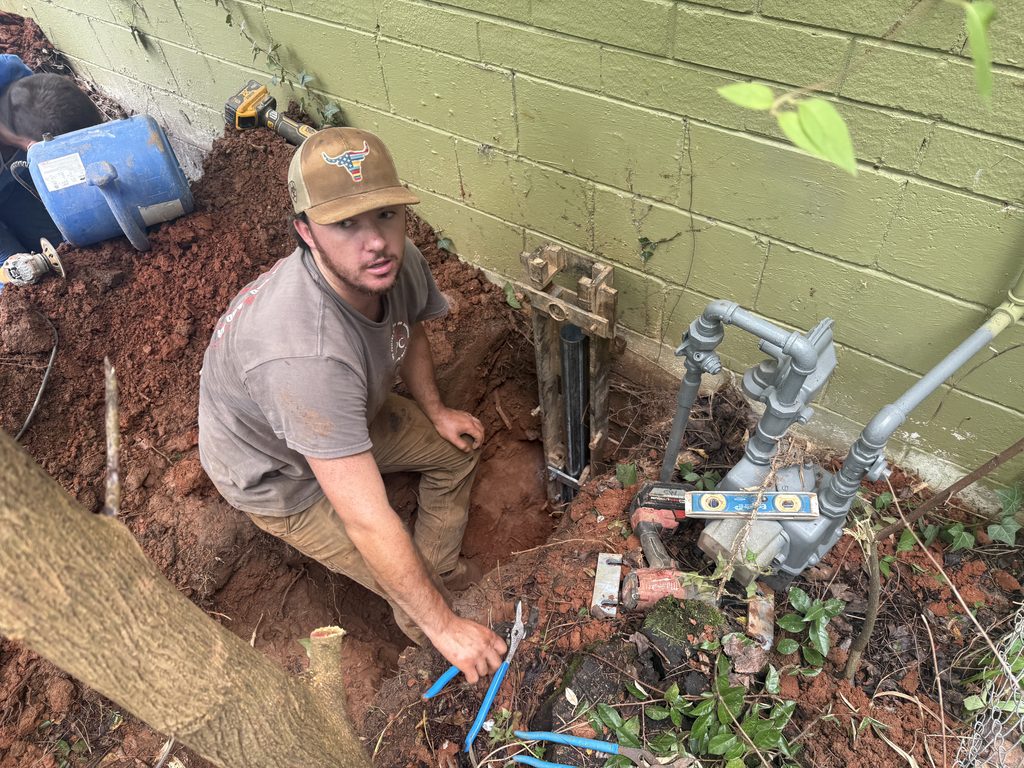
When part of a foundation has settled, steel piers may be needed to stabilize it.
Push piers and helical piers are designed to transfer the weight of the structure to more stable supporting soil or rock.
The type and number of piers depend on the foundation, soil conditions, and extent of the settlement. Installing more piers than necessary doesn’t automatically mean a better repair.
Floor Support Repairs
Sometimes the foundation isn’t the main problem at all.
Sagging floors may be caused by weakened joists, damaged beams, or settling crawlspace supports.
In those cases, installing properly placed steel support posts, reinforcing floor joists, or repairing beams may be all that’s needed to stabilize the floor.
The right repair depends on what’s actually causing the problem.
Why We Look Beyond the Foundation Crack
One mistake homeowners can make is focusing only on the visible damage.
A crack in the wall might be what gets your attention, but the crack itself isn’t necessarily the problem. It’s a sign that something else may be happening.
For example, installing steel piers can stabilize a settling foundation. But if water continues collecting around the house, other areas may still be affected.
That’s why we look at foundation repair and moisture control together.
Sometimes the solution involves piers and drainage. Other times, waterproofing and floor support repairs are what’s needed.
The goal isn’t to sell you the biggest repair. It’s to find a solution that makes sense for your home and helps prevent the problem from returning.
Why Homeowners Choose Crawlspaces and More
Crawlspaces and More has been family-owned since 1999, serving homeowners throughout Northeast Georgia.
Our founder, Jim Briley, brought years of construction experience, along with a background in hydraulics and heavy equipment, to the foundation repair business.
One thing he recognized early was that repairing a foundation without understanding why it moved could leave the homeowner with more problems down the road.
That approach still guides our work today.
Our crews handle foundation repair, crawlspace waterproofing, encapsulation, and concrete repair. Because we work with both structural and moisture-related problems, we can look at the whole picture rather than treating every issue as a separate job.
We’re a local, family-owned business, and our reputation matters to us. When we inspect a home, we want the homeowner to understand what we found, what we recommend, and why.
No unnecessary repairs. No scare tactics. Just straightforward answers.
Frequently Asked Questions About Foundation Repair
Does a foundation crack mean I need a new foundation?
Usually not. Most homes with foundation problems can be repaired with targeted stabilization or structural repairs. Replacing an entire foundation is rarely necessary.
How long does foundation repair take?
Many foundation pier installations take one to three days, depending on access, the number of piers, and the work involved. Larger projects may take longer.
Will homeowners insurance cover foundation repairs?
Most policies don’t cover gradual settlement or damage caused by normal soil movement. However, some sudden events, such as a covered plumbing failure, may qualify. It’s best to check with your insurance company.
Can I stay in my home during the repairs?
In most cases, yes. Many foundation repairs can be completed while you remain in your home. We’ll explain what to expect before work begins.
What happens if I wait to repair my foundation?
Some foundation problems remain stable, but others continue to worsen. Cracks can widen, floors may become more uneven, and repairs can become more expensive. An inspection can help you determine whether the problem needs immediate attention.
Don’t Wait for a Small Problem to Get Bigger
Remember the Franklin County homeowner with the crack above her garage? What started as something easy to overlook eventually affected her doors and floors, turning a smaller problem into a much more expensive repair.
Not every crack means something serious is happening. But finding out early gives you more options.
If you’ve noticed foundation cracks, sagging floors, sticking doors, or moisture problems beneath your home, give Crawlspaces and More a call.
We offer free crawlspace and foundation inspections throughout Franklin County and the surrounding Northeast Georgia area. We’ll take a look, explain what we find, and help you understand your options before you make any decisions.
Schedule Your Free Inspection
Call 800-701-9828 or visit www.crawlspacesandmore.com.
Family Owned Since 1999.